

August 24, 2026
Choosing the right driveway material is one of the most important decisions homeowners make when improving their property. A driveway is not only a functional feature but also a major contributor to curb appeal, durability, and long-term value. When comparing options, driveway pavers and asphalt are two of the most popular choices, each offering distinct advantages. Understanding how these materials differ in performance, appearance, and return on investment can help homeowners make informed decisions. Working with experienced paving contractors ensures that the selected option is installed correctly and delivers lasting results.
Driveways endure constant exposure to weather, vehicle traffic, and environmental conditions, making durability and maintenance key considerations. While asphalt is known for its affordability and smooth finish, pavers offer a more customizable and visually appealing solution. Each option serves different needs depending on the property’s goals, budget, and design preferences. By evaluating these factors, homeowners can determine which material aligns best with their expectations and long-term plans.
According to Home Advisor, nearly 70% of homeowners report an increase in property value after installing driveway pavers. This statistic highlights the strong impact that design and material choice can have on overall home value. While asphalt remains a practical option, the aesthetic and financial benefits of pavers make them an appealing investment for many property owners. Understanding these differences helps clarify which option provides the best return for your specific situation.
We’ve seen how the right driveway choice can enhance both functionality and appearance. Here are the key factors to consider when deciding between driveway pavers and asphalt, and how each option compares in terms of durability, maintenance, cost, and overall value.
Comparing Durability and Long-Term Performance
Evaluating Material Strength
Durability is one of the most important factors when choosing a driveway material. Asphalt provides a flexible surface that can handle temperature changes, while pavers are individually set units that distribute weight more evenly. This structural difference often gives pavers an advantage in resisting cracking and long-term wear. Experienced paving contractors can help assess which option will perform best based on local conditions and usage needs.
Understanding Resistance to Weather Conditions
Driveways are exposed to a range of weather conditions, including heat, rain, and freezing temperatures. Asphalt can expand and contract, which may lead to cracks over time, while pavers allow for slight movement without compromising the overall structure. This adaptability makes pavers particularly effective in areas with fluctuating climates.
Considering Longevity Expectations
Both materials offer long-term performance, but their lifespans differ depending on maintenance and usage. Asphalt typically requires resurfacing over time, while pavers can last significantly longer with proper care. This difference plays a role in determining long-term value and overall investment.
Supporting Consistent Structural Integrity
Pavers maintain their integrity by allowing individual units to be replaced if damage occurs, whereas asphalt repairs often involve patching larger sections. This flexibility contributes to consistent performance and reduces the impact of localized damage.
Evaluating Maintenance Requirements Over Time
Understanding Routine Maintenance Needs
Maintenance is an ongoing consideration for any driveway. Asphalt requires regular sealing to maintain its appearance and prevent deterioration. Pavers, on the other hand, require less frequent maintenance, making them an attractive option for homeowners seeking long-term convenience.
Addressing Repair Processes
When repairs are needed, the process differs significantly between materials. Asphalt repairs often involve resurfacing or patching, while pavers allow for individual replacement. This targeted approach can simplify maintenance and reduce disruption.
Managing Surface Appearance
Over time, asphalt may fade or develop surface imperfections, requiring additional upkeep to maintain its appearance. Pavers retain their color and design, helping preserve the overall look of the driveway. Professional paving contractors can provide guidance on maintaining each material effectively.
Reducing Long-Term Maintenance Costs
While asphalt may have a lower initial cost, ongoing maintenance can add up over time. Pavers may require a higher upfront investment but often result in lower long-term maintenance expenses, contributing to overall value.
Enhancing Curb Appeal and Design Flexibility
Exploring Aesthetic Options
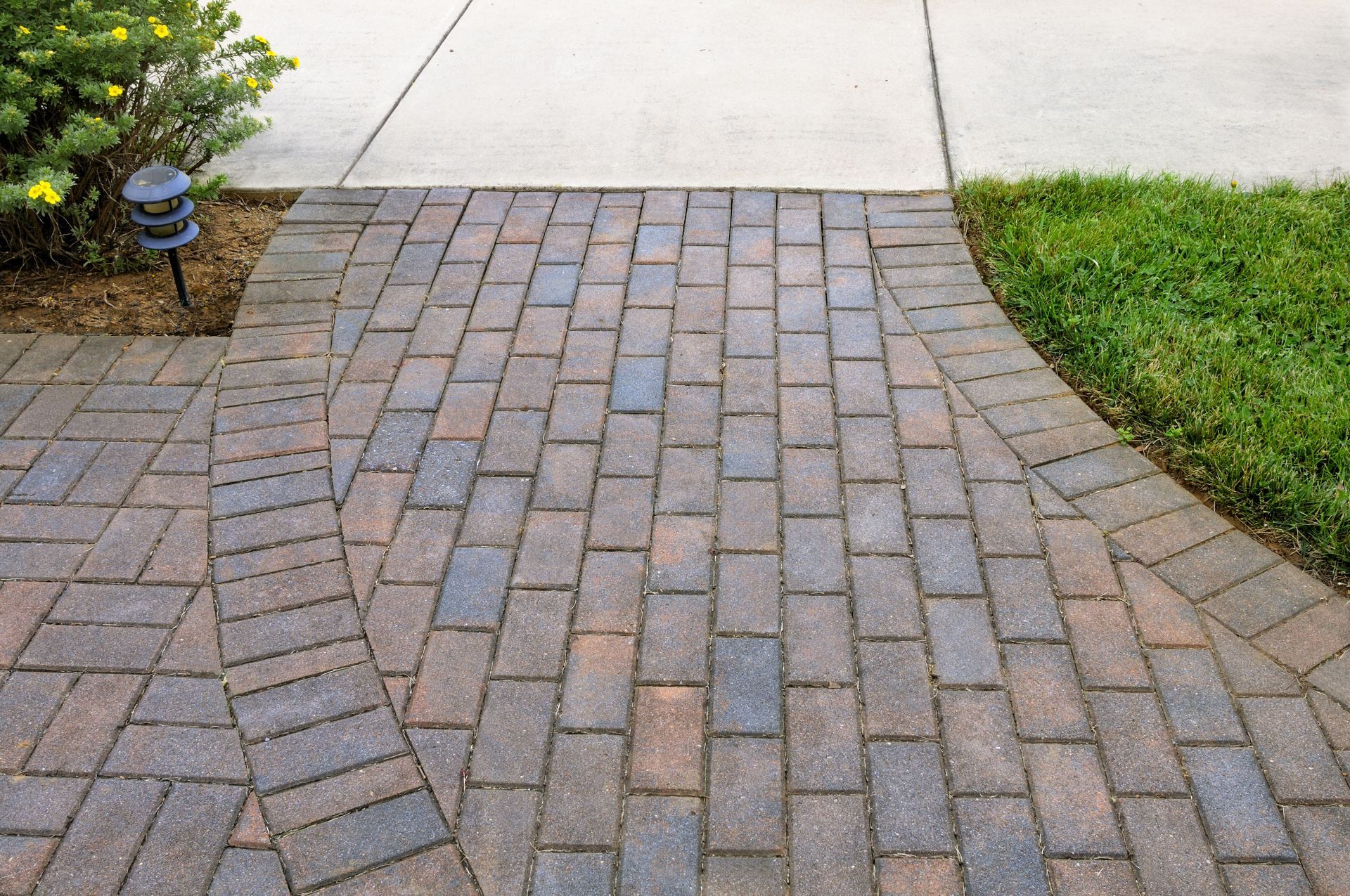
One of the most noticeable differences between pavers and asphalt is appearance. Asphalt offers a uniform, smooth surface, while pavers provide a wide range of colors, patterns, and textures. This variety allows homeowners to customize their driveways to match their homes’ designs.
Creating Visual Interest
Pavers add depth and character to a property, creating a more visually engaging entrance. This enhanced curb appeal can make a significant difference in how a home is perceived, especially in competitive real estate markets.
Aligning With Architectural Style
Matching the driveway to the home’s architectural style is an important consideration. Pavers offer the flexibility to complement traditional, modern, or transitional designs, while asphalt provides a more neutral look. Working with skilled paving contractors ensures that the chosen material aligns with the overall design.
Supporting Property Presentation
A well-designed driveway contributes to a polished and well-maintained appearance. Pavers, in particular, can elevate the overall presentation of a property, making it more attractive to visitors and potential buyers.
Analyzing Cost and Investment Value
Comparing Initial Installation Costs
Cost is often a deciding factor when choosing a driveway material. Asphalt typically has a lower upfront cost, making it a popular choice for budget-conscious homeowners. Pavers require a higher initial investment but offer additional benefits that may justify the expense.
Evaluating Long-Term Value
While asphalt may be more affordable initially, pavers often provide greater long-term value due to their durability and reduced maintenance needs. This balance between cost and performance is a key consideration for many homeowners.
Considering Property Value Impact
Driveway upgrades can influence overall property value. The increased appeal and durability of pavers often contribute to higher resale value, making them a strong investment for homeowners planning to sell in the future.
Supporting Financial Decision-Making
Understanding both short-term and long-term costs helps homeowners make informed decisions. Consulting with experienced paving contractors ensures that all factors are considered when evaluating investment potential.
Assessing Installation Process and Timeline
Understanding Installation Complexity
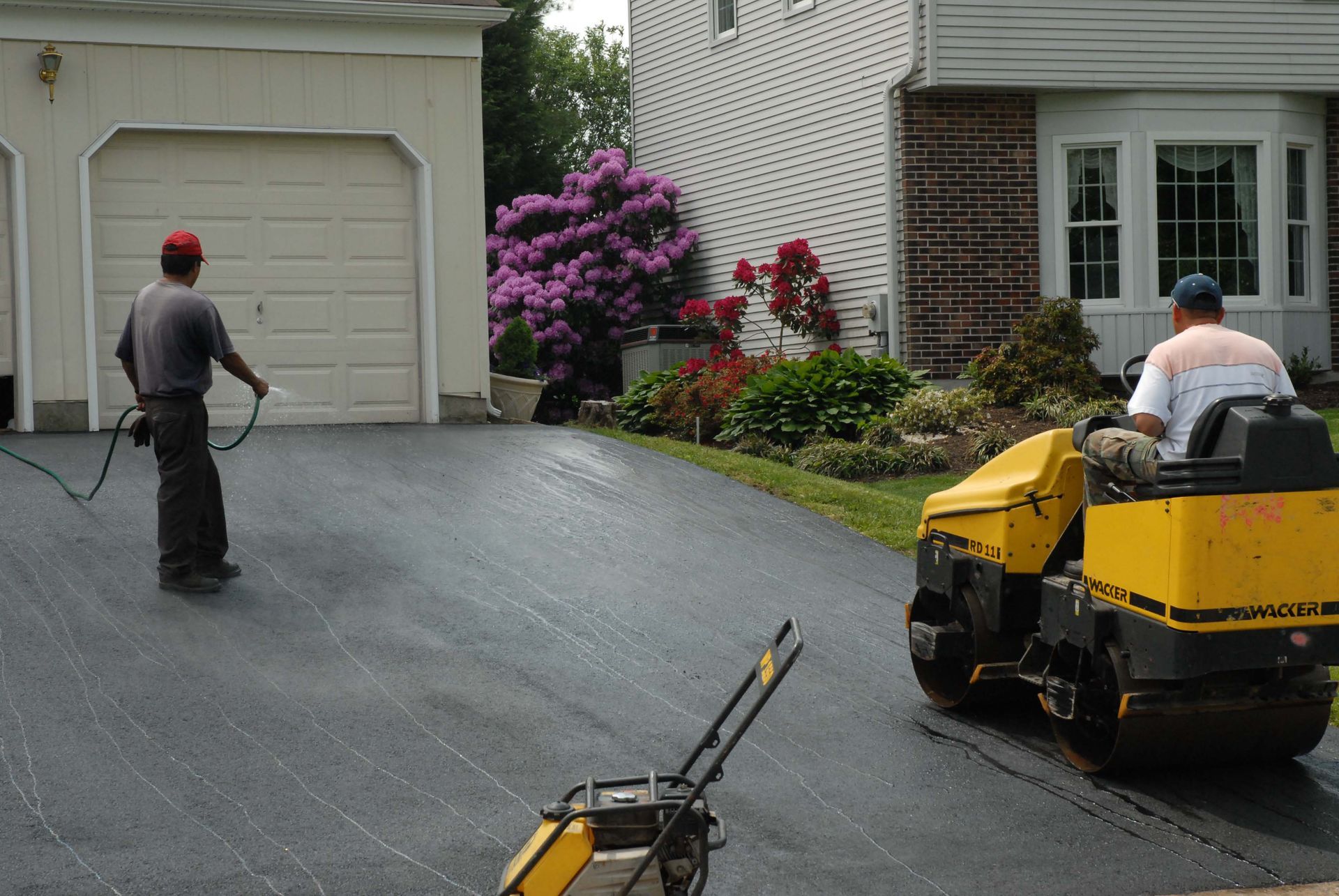
The installation process varies between materials. Asphalt can typically be installed more quickly, while pavers require more detailed preparation and placement. This difference can impact project timelines and planning.
Evaluating Preparation Requirements
Both materials require a stable base, but paver installation involves additional steps to ensure proper alignment and durability. This attention to detail contributes to long-term performance and visual appeal.
Considering Project Duration
Asphalt installation is generally faster, allowing for quicker completion. Paver installation may take longer, but results in a more customized and durable surface. The choice depends on project priorities and timelines.
Ensuring Quality Installation
Proper installation is essential for both materials. Working with skilled paving contractors helps ensure that the driveway is installed correctly and performs as expected over time.
Determining Suitability for Your Home’s Needs
Evaluating Usage Requirements
The intended use of the driveway plays a role in material selection. High-traffic areas may benefit from the durability of pavers, while lighter use may make asphalt a practical option.
Considering Climate Factors
Local climate conditions can influence performance. Pavers handle temperature fluctuations well, while asphalt may require additional maintenance in extreme conditions. Understanding these factors helps guide the decision.
Aligning With Lifestyle Preferences
Homeowners’ preferences for maintenance, appearance, and long-term performance should be considered. Pavers offer customization and durability, while asphalt provides simplicity and affordability.
Supporting Long-Term Satisfaction
Choosing the right material ensures that the driveway meets both functional and aesthetic expectations. This decision contributes to overall satisfaction and long-term value.
Deciding between driveway pavers and asphalt involves balancing durability, maintenance, cost, and visual appeal. Each material offers unique benefits, and the right choice depends on individual priorities and property needs. By understanding these differences, homeowners can make informed decisions that support both immediate goals and long-term value.
Working with experienced professionals ensures that the selected material is installed correctly and performs reliably over time. This approach helps maximize the benefits of the investment and ensures that the driveway enhances both function and appearance.
If you’re ready to upgrade your driveway and choose the best option for your home, contact Mainline Paving & Masonry today to learn how expert paving contractors can deliver durable, high-quality results that enhance your property’s value and appeal.