

July 24, 2026
Explore the transformative impact of hardscaping on outdoor space functionality. Learn how elements like patios, walkways, and retaining walls can enhance usability and aesthetic appeal, creating a resilient, low-maintenance landscape. Hardscaping incorporates a range of non-living elements that work to enhance the beauty and practicality of an outdoor space. By complementing natural landscape features with man-made structures, hardscaping creates a balance that looks appealing and improves functionality. Working with a professional hardscape installer ensures these elements align with the existing topography to optimize design adaptability, usability, durability, environmental health, and property value.
Designing for Aesthetic Flexibility
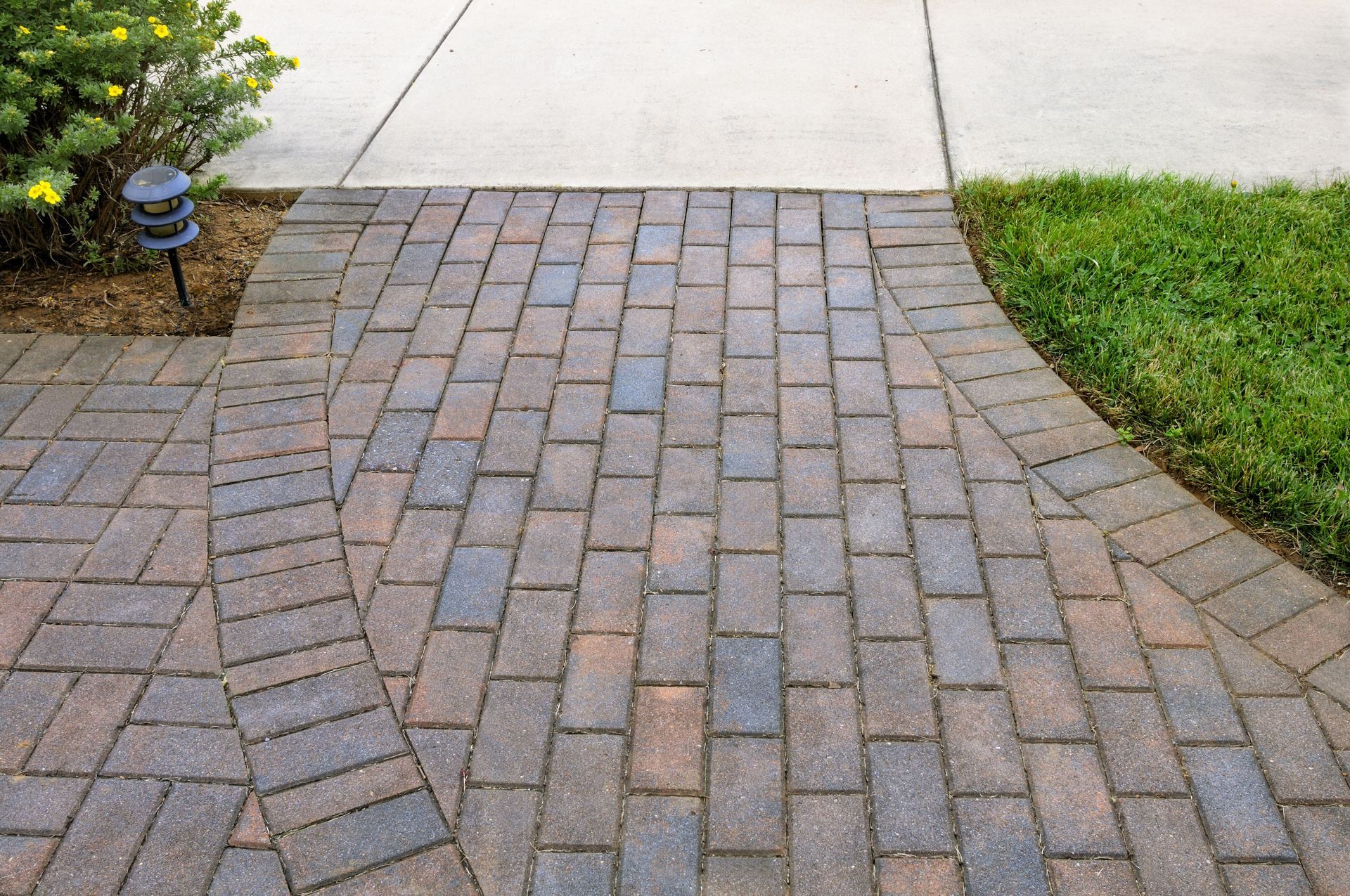
Hardscaping offers a high degree of flexibility, allowing homeowners to integrate structures seamlessly with their existing landscape. Patios and walkways can lead naturally from one area to another, bridging gaps between different parts of the yard. By considering the natural contours and features of the land, strategic installations highlight and enhance the inherent beauty. For instance, a curved stone pathway can accentuate the gentle slope of a hillside, creating a pleasing visual flow that adapts to classic, rustic, or modern architectural styles.
The choice of materials in hardscaping is vast, ranging from natural stone and pavers to concrete and brick. Each material brings a unique set of textures and colors, providing endless possibilities for aesthetic customization. Natural stone possesses a timeless appeal and lends a rustic elegance to outdoor settings, while brick creates a more structured look ideal for formal designs. An experienced hardscape installer can select and install stamped concrete or textured pavers that mimic expensive materials while managing project costs efficiently.
Customization serves as a cornerstone of functional design, providing ample opportunity to personalize outdoor environments. Features such as fireplaces, water fountains, and multi-level kitchens can be tailored to individual tastes and specific functional needs. Utilizing a broad palette of colors and diverse textures, like smooth travertine or rough-textured stone, creates distinct focal points that guide the viewer's eye. These elements add visual interest, establish social gathering hubs, and improve overall curb appeal.
Enhancing Usability and Accessibility
One of the main advantages of hardscaping is its ability to define and separate spaces effectively. By using elements like low walls, fences, and paved surfaces, homeowners can delineate areas for distinct activities such as dining, relaxation, or gardening. This structural separation aids in organizing the outdoor environment, creating specific zones for specific purposes to maximize utility. Clearly defined spaces contribute to a sense of order and harmony in the landscape, making the entire property more user-friendly and inviting.
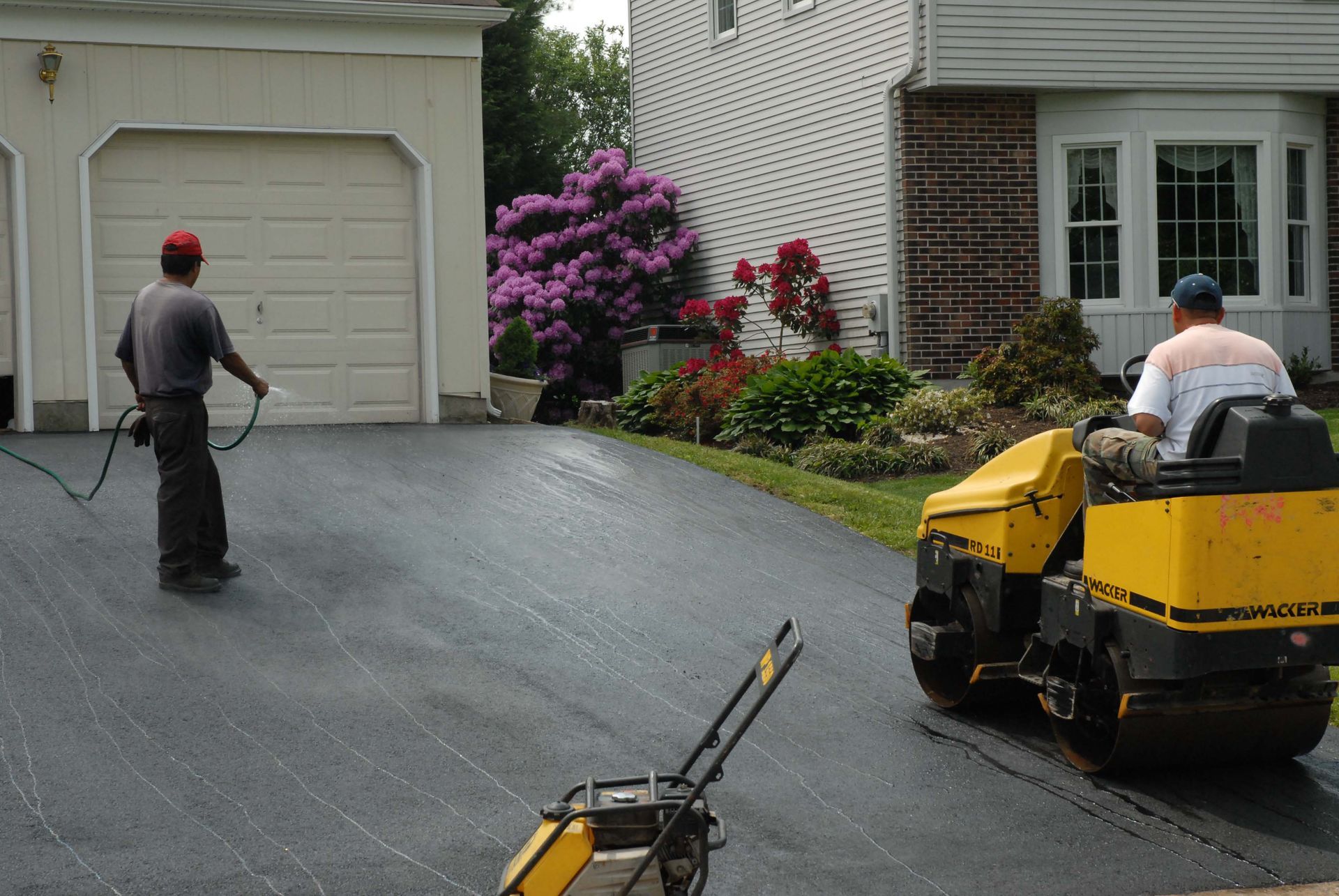
Navigating through a yard becomes significantly easier and safer with well-designed pathways. Paved walkways, stepping stones, and designated driveways guide visitors smoothly through the property, protecting grass and delicate plants from foot traffic. Consulting a hardscape installer helps map out optimal routes to frequently visited areas, reducing the risk of accidental trampling. These flat, stable surfaces provide excellent support for heavy outdoor furniture, turning patios and decks into reliable extensions of the interior living space.
Accessibility remains an essential consideration to ensure all users can enjoy the outdoor space safely and comfortably. Hardscaping facilitates the seamless integration of accessibility features such as transition ramps, sturdy railings, and wide walkways. Low-maintenance pathways with even ground surfaces reduce physical barriers, making it significantly easier for individuals with mobility challenges or strollers to navigate the terrain. This deliberate design focus increases the versatility and inclusivity of the entire garden layout.
Maximizing Durability and Low Maintenance
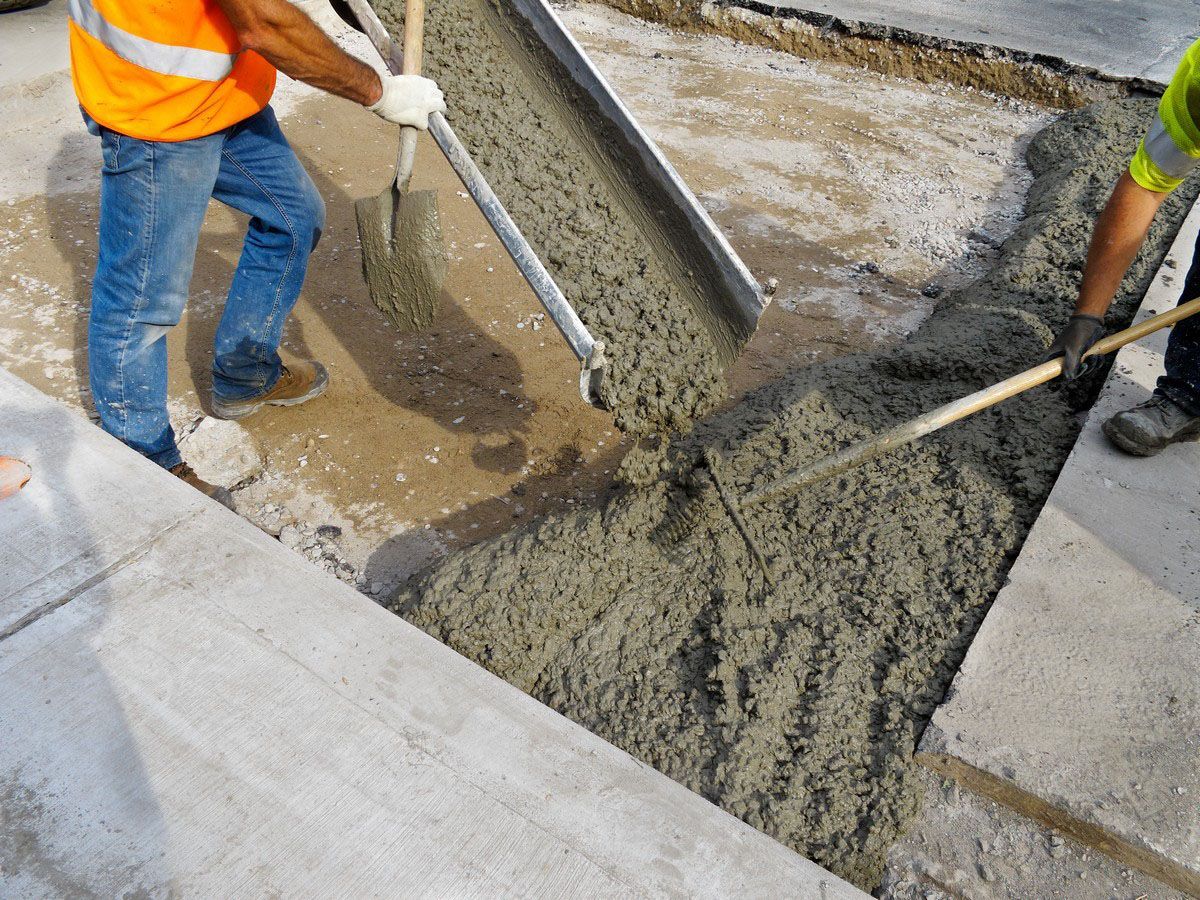
Choosing durable materials is of utmost importance to ensure long-term functionality and structural integrity. Materials like natural stone, concrete, and interlocking brick are renowned for their resilience and capacity to withstand harsh environmental conditions. Selecting high-quality material options reduces the occurrence of structural issues such as cracking, shifting, or erosion. A skilled hardscape installer prioritizes proper base preparation and compaction, guaranteeing that the final installations maintain their aesthetic appeal and structural safety over many years.
Weather resistance impacts the lifespan and ongoing maintenance needs of outdoor features. Natural elements such as intense sunlight, heavy rain, and seasonal frost can degrade less stable materials, leading to rapid discoloration and cracking. Utilizing weather-resistant pavers and treated stones ensures the landscape remains functional year-round. For example, selecting materials that tolerate freezing cycles prevents shifting and heaving during winter months, minimizing the time, effort, and money required for seasonal repairs.
Hardscaping drastically reduces overall maintenance demands compared to traditional turf lawns. Solid surfaces eliminate the need for regular mowing, chemical fertilizing, or daily watering, which are often time-consuming and labor-intensive tasks. Features like stone borders and retaining walls help contain plant beds, preventing weed overgrowth and simplifying general upkeep. Homeowners gain a practical solution that delivers a clean, beautiful, and structured outdoor living environment with minimal physical intervention.
Improving Drainage and Erosion Control
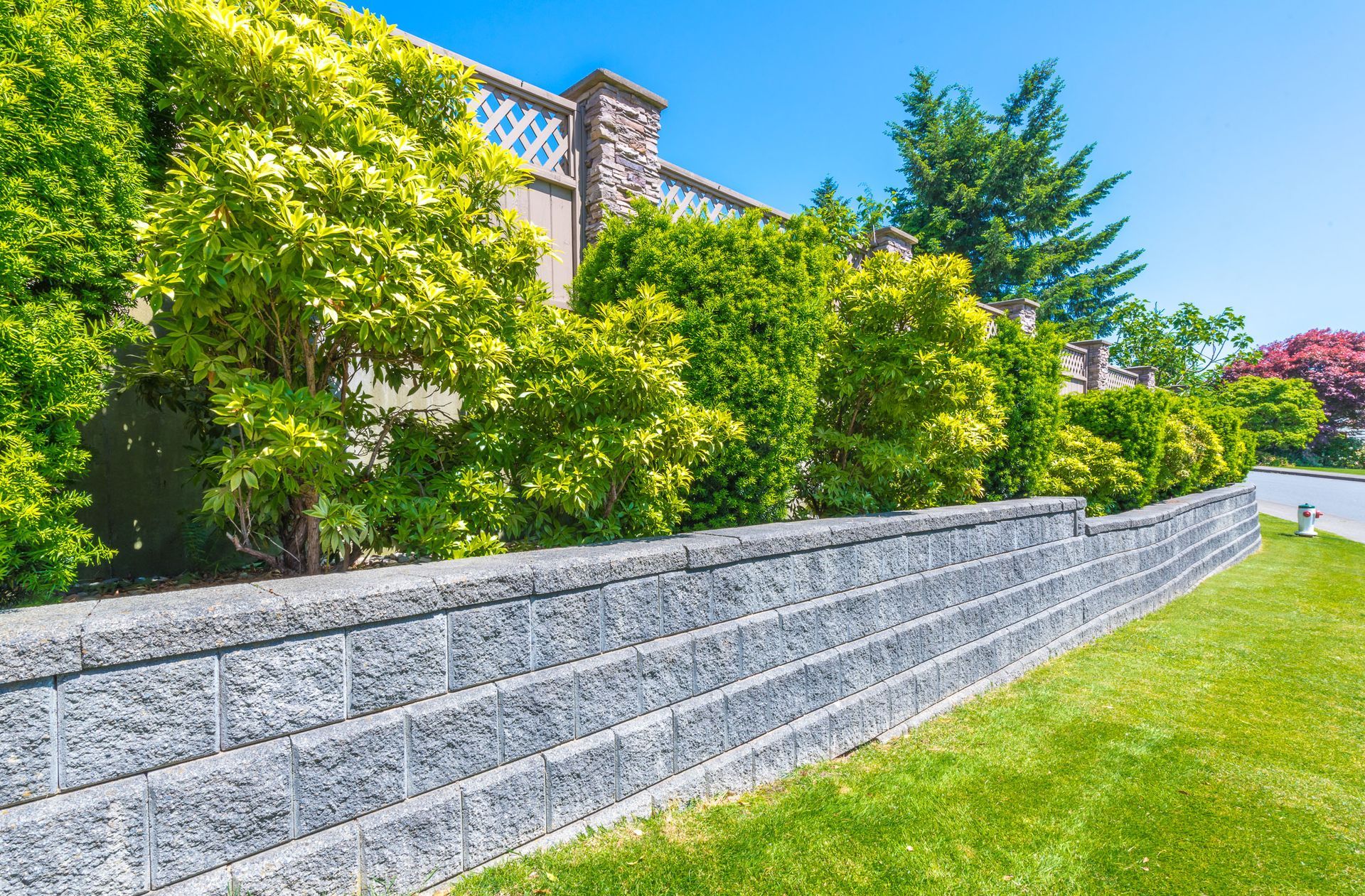
Retaining walls serve vital dual purposes by providing aesthetic enhancement and highly effective erosion control. Built to stabilize soil on steep slopes, they hold back earth and form a firm barrier against natural weathering forces. These walls can also create tiered terraces, adding vertical dimension to a flat landscape and expanding usable planting areas. Constructed from durable concrete blocks or heavy stone, they offer a lasting solution that preserves the physical integrity of the terrain.
Permeable pavers present an innovative solution for addressing drainage issues and environmental concerns simultaneously. Unlike traditional solid asphalt or concrete surfaces, permeable paving systems allow rainwater to percolate through the joints, reducing immediate surface runoff and helping recharge local groundwater supplies. This functionality is particularly valuable for minimizing the strain on local municipal stormwater systems and lessening the long-term risk of soil erosion across the property.
Managing runoff water effectively prevents water pooling, foundation damage, and localized soil degradation. A qualified hardscape installer will design effective grading plans alongside French drains, swales, and rain gardens to channel excess moisture safely away from home foundations. Proper slope management ensures water moves efficiently across the property without damaging plant roots or creating muddy zones, thereby protecting the structural health of all outdoor installations.
Boosting Property and Resale Value
Hardscaping improvements transform properties into attractive assets for prospective buyers. A well-designed landscape featuring structured paths, custom patios, and permanent architectural elements creates an immediate, positive first impression. These installations signal to buyers that the property has been meticulously maintained, increasing the home's overall marketability and helping it stand out among competing listings in the real estate market.
According to HomeGuide, adding a paver patio or walkway boosts home value, curb appeal, and offers a 69% return on investment. This financial return makes hardscape renovations some of the most stable investments a property owner can pursue. By adding durable stone surfaces and permanent seating areas, homeowners enjoy immediate lifestyle enhancements while simultaneously positioning themselves for a more lucrative future resale.
Expanding the functional footprint of a home is a top priority for modern buyers seeking integrated indoor-outdoor living solutions. Patios, outdoor kitchens, and paved fire pit areas effectively increase the usable square footage of a property without the high cost of traditional room additions. Partnering with a certified hardscape installer to execute these upgrades ensures the additions are up to code, beautifully finished, and ready to welcome guests for years to come.
The measurable financial returns and increased functional footprint highlight why these upgrades are highly valued in the real estate market. Hiring a trusted hardscape installer guarantees that every stone is correctly leveled, every base is fully compacted, and every drainage line is strategically pitched for maximum performance. Transforming an underutilized yard into an organized, elegant extension of the home delivers lasting personal enjoyment and exceptional long-term property value. For more information about the services that we offer, reach out to our incredible team at Mainline Paving & Masonry today!