

November 12, 2025
Asphalt paving projects require careful planning and decision-making. Whether you are a homeowner or a business manager, knowing the right questions to ask your contractor can make a significant difference in the outcome of your project. This article aims to provide you with a comprehensive guide to understanding asphalt paving, ensuring your project is completed efficiently, successfully, and cost-effectively.
The key to a successful asphalt paving project lies in understanding its various elements and choices. From the composition of the asphalt mix and the contractor's credentials to the project's timeline, costs, and maintenance, each aspect plays a vital role. In this article, we will explore essential questions to ask your contractor about asphalt paving, helping you navigate the complexities of this undertaking with confidence.
By familiarizing yourself with the topics covered in this guide, you will be equipped to make informed decisions. These decisions not only affect the quality and durability of your pavement but also its longevity and maintenance requirements. In doing so, you can ensure your asphalt paving project delivers the best possible results.
Understanding the Basics of Asphalt Paving
What is the composition of the asphalt mix used?
The composition of the asphalt mix significantly impacts its performance and longevity. Typically consisting of aggregates, binder, and filler, the mix must be carefully balanced to withstand various stresses. Aggregates provide structure and are made up of materials such as crushed stone, sand, and gravel. The binder, usually bitumen, holds everything together and imparts flexibility. Ensuring optimal proportions and high-quality materials can prevent premature failures and improve lifespan.
Choosing the right asphalt mix can be dependent on several factors, including the intended use of the paved surface. Residential driveways may require a different composition compared to commercial parking lots that experience heavier traffic. Discuss these requirements with your contractor to ensure the mix matches your specific needs. Experienced contractors should be able to provide detailed information on the types of asphalt mix and their suitable applications. Understanding these basics helps make informed choices about your paving project.
Asphalt mix technology has advanced over the years, with more sustainable and eco-friendly options available. Many modern mixes now include recycled materials without compromising quality. Recycled asphalt not only reduces costs but also minimizes environmental impact. However, it is vital to ensure that any recycled content is properly processed and integrated. Thorough questioning will help confirm that your contractor uses materials that meet industry standards and deliver long-lasting performance.
How does the thickness of the asphalt affect durability?
Thickness plays a crucial role in determining the durability and performance of asphalt pavement. Thicker layers are generally more robust and can better distribute loads, reducing the risk of cracking or deformation. For high-traffic areas, such as highways or commercial lots, a thicker layer is often advisable to support greater loads. Thinner layers may suffice for residential applications where traffic is less frequent and heavy. Balancing cost-effectiveness with functionality is key when deciding on asphalt thickness.
According to industry standards, contractors often recommend varying thicknesses for different types of projects. Residential driveways typically require a thickness between two and three inches, while commercial parking lots may need three to four inches or more. It's important to consult with your contractor to ensure the thickness aligns with expected traffic patterns and load requirements. Understanding these specifications can prevent premature failures and costly repairs.
Climate and weather conditions can also impact the required thickness of asphalt pavements. In areas prone to extreme temperatures, thicker asphalt may provide better resistance to contraction and expansion. Additionally, seasonal variations, such as freeze-thaw cycles, can affect pavement integrity. Consulting with your contractor on how regional climate conditions might influence thickness choices can ensure more tailored solutions. By addressing these considerations early, you can promote longevity and reduce future maintenance needs.
What are the differences between hot mix and cold mix asphalt?
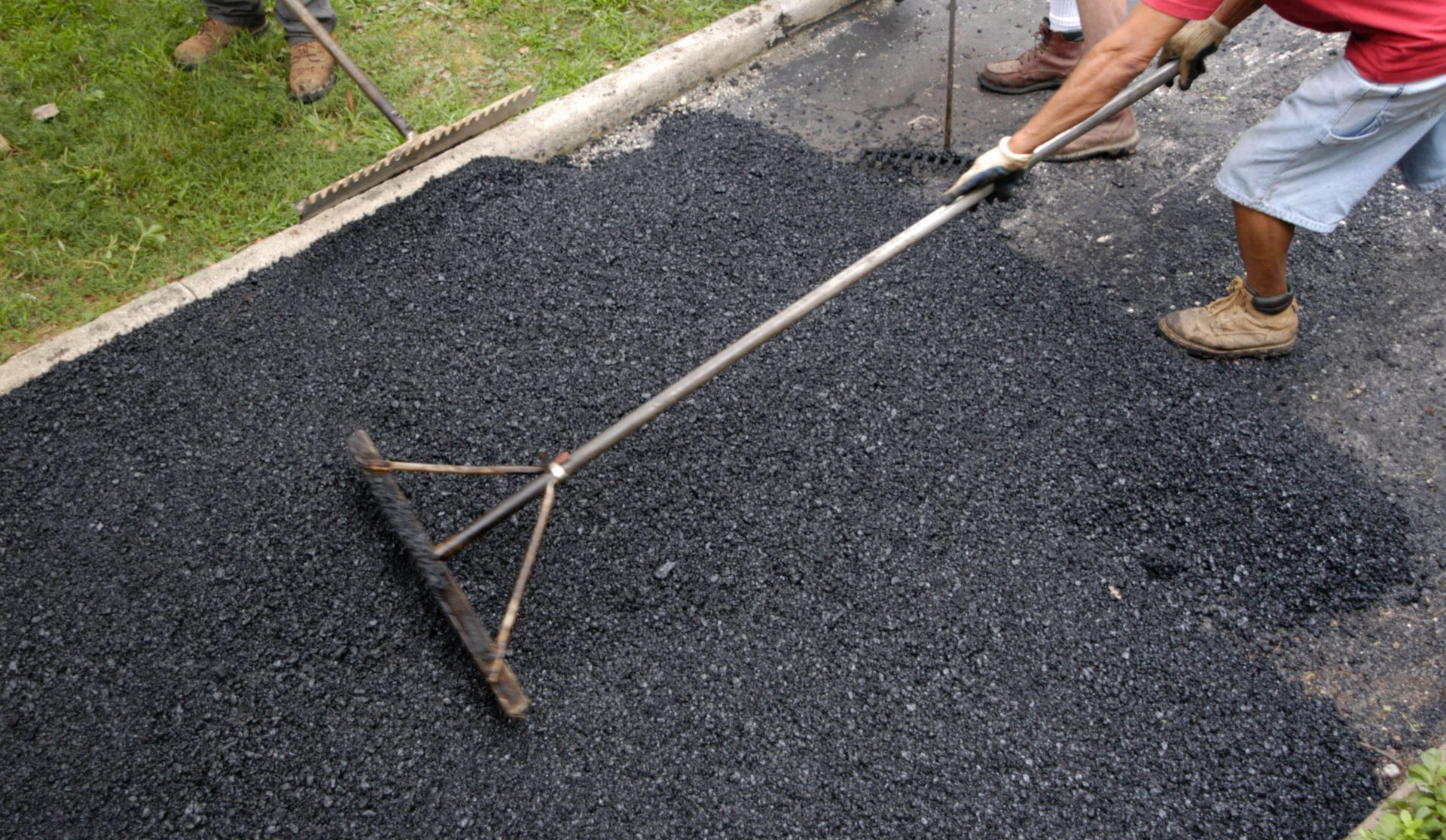
Hot mix asphalt (HMA) and cold mix asphalt serve different purposes and have distinct properties. HMA is created by heating aggregates and binder, resulting in a durable, flexible mixture suitable for high-traffic areas. It is known for its strength and ability to withstand heavy loads, making it ideal for roads and highways. However, its installation typically requires warm weather conditions to ensure proper curing and bonding. This can limit the use of HMA in colder climates or seasons.
In contrast, cold mix asphalt is not dependent on temperature, making it versatile for year-round applications. It is often used for temporary repairs or in situations where a quick fix is required. Although it may not be as durable as HMA, cold mix asphalt provides immediate solutions for potholes and minor road damage. Its ease of use and rapid deployment are advantageous when addressing emergency or interim repairs. However, for long-term solutions, HMA remains the preferred choice due to its durability.
When deciding between hot mix and cold mix asphalt, consider the specific needs and context of your project. If the goal is a robust, long-lasting pavement, HMA may be the better option, provided weather conditions allow for proper installation. Conversely, for urgent or smaller repairs, cold mix asphalt offers a practical alternative. Discussing these options with your contractor will help you align the material choice with your project's goals and conditions. Each type of asphalt provides unique advantages that, when understood, contribute to the success of the paving project.
How does weather impact asphalt installation?
Weather plays a significant role in the installation and curing process of asphalt pavements. Temperature, humidity, and precipitation can all affect asphalt’s ability to properly set and bond. Optimal weather conditions, typically warm and dry, allow for easier manipulation of the asphalt mix, ensuring even distribution and compaction. Cold and wet conditions can hinder these processes, potentially leading to defects or reduced lifespan. It's crucial to plan installations around favorable weather to secure optimal outcomes for your project.
According to Fixr, asphalt takes up to 6 months to fully cure, depending on the climate and weather conditions. This means the initial few months post-installation are critical for maintaining the integrity of the surface. During this time, extreme temperatures and heavy rains can pose challenges, affecting long-term performance. Therefore, an informed contractor will recommend the best time for installation, often avoiding extreme seasonal conditions. Awareness and planning around these factors contribute to the longevity of the paved surface.
Understanding these intricacies empowers you to ask informed questions. For example, inquire whether your contractor has contingency plans for unexpected weather changes that might arise during the project. Reputable contractors should have strategies to address weather-related disruptions, such as scheduling flexibility or using specific mixes conducive to varied conditions. By engaging in this dialogue, you can ensure weather considerations are factored into the planning and execution of your paving project.
Can recycled materials be used in paving projects?
The use of recycled materials in asphalt paving projects presents an opportunity for both cost savings and environmental benefits. Reclaimed asphalt pavement (RAP) is commonly used, involving recycled aggregates and binders from old pavements. Integrating RAP not only reduces the need for new materials but can also lower overall project costs. It contributes to sustainability by minimizing environmental impact, conserving natural resources, and reducing waste. However, the quality and processing of RAP are essential factors that must be considered for optimal performance.
When discussing recycled materials with your contractor, it’s important to understand their source and quality. Reputable contractors adhere to industry standards that ensure RAP is properly crushed, screened, and blended. This guarantees that despite its recycled nature, the material remains durable and effective for the intended application. Furthermore, using recycled materials should not compromise the integrity or longevity of your pavement. Inquiring about the contractor’s experience and expertise in using RAP can help verify you’re getting high-quality results. Be sure to reach out to Mainline Paving & Masonry today for more information on our professional asphalt companies !